If you’re here, reading this, you’re probably somewhere between frustrated and hopeful.
Frustrated by the hair that’s disappeared, hopeful that maybe, just maybe, there’s a way to get it back to feel like yourself again. And trust me, you’re not alone.
Hair loss hits harder than most people realise. It’s not just about vanity. It’s about identity, confidence, even how you carry yourself when you walk into a room.
For many, a hair transplant feels like a last hope. But then you get buried in technical terms like FUE and FUT, and suddenly, a very personal decision starts to feel like decoding some medical textbook.
We’ve been there staring at clinic websites, watching YouTube videos of surgeries at 2AM, overthinking every little thing.
Not to throw a bunch of sterile facts at you, but to actually explain, in plain, honest words, what FUE and FUT are, how they feel, what you need to know, and how to decide what’s right for you.
No jargon, no sales pitch. Just real talk.
So, What Actually Is an FUE Hair Transplant?
FUE stands for Follicular Unit Extraction. But don’t let the fancy name fool you, the idea behind it is pretty simple.
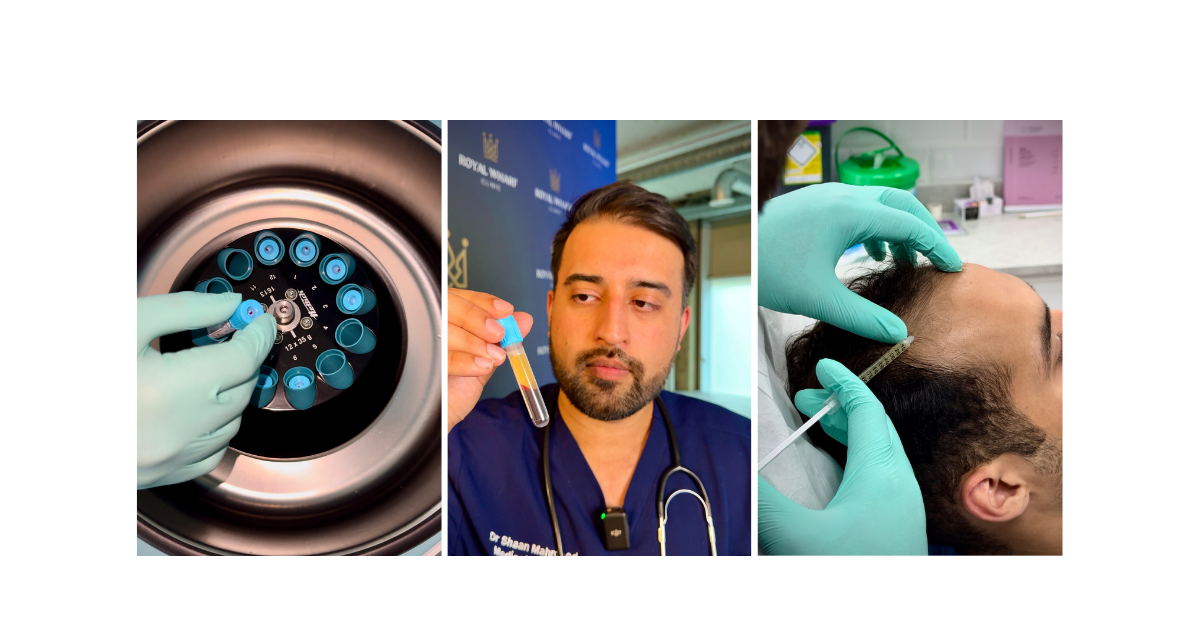
Here’s the image:
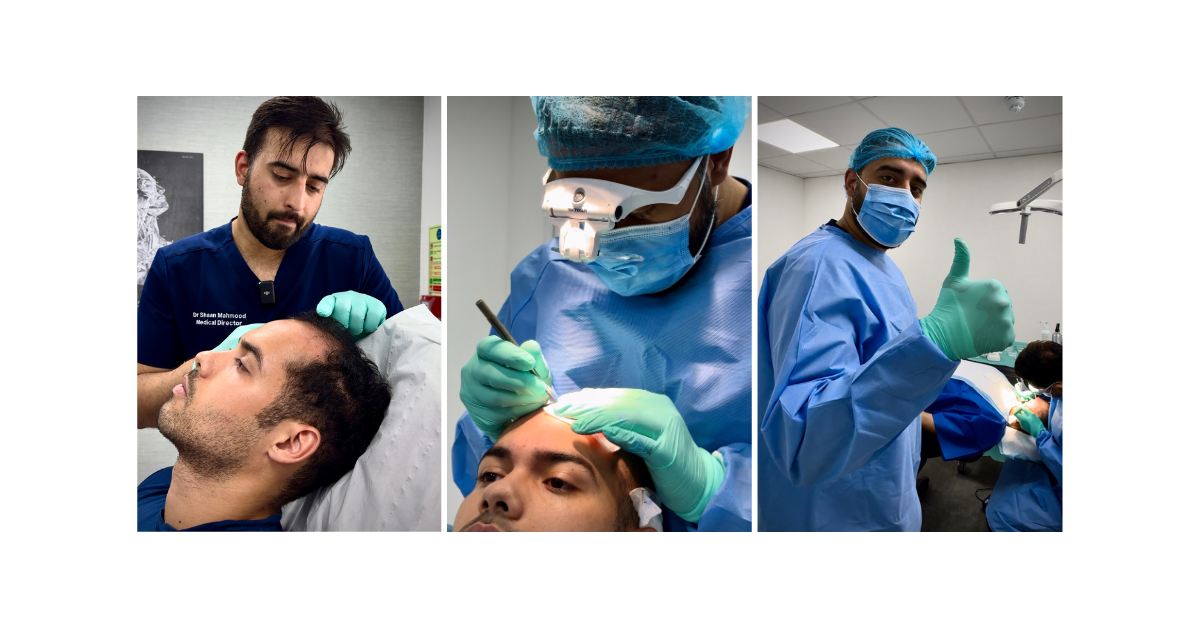
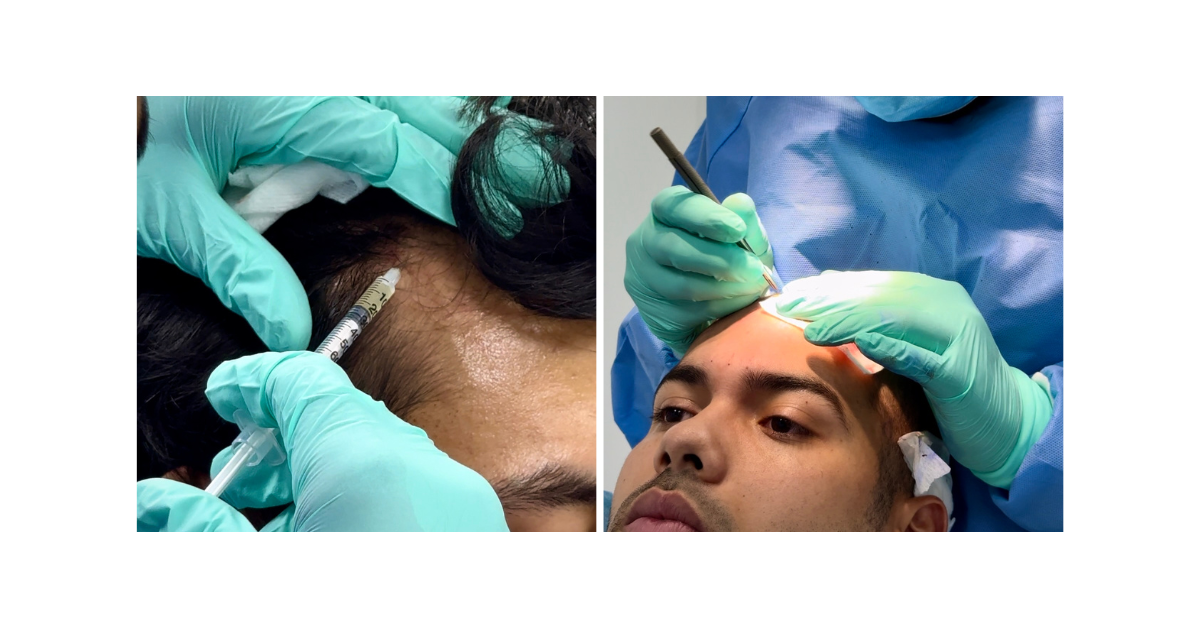
A surgeon uses a tiny, super-fine tool think smaller than the tip of a pen to individually pull-out tiny groups of hair (called “follicular units”) from the back or sides of your head, where your hair is still thick and strong. Each little group usually contains about 1–4 hairs.
These precious little bundles are then gently implanted into the areas where your hair has thinned or disappeared completely.
No cutting big strips of skin.
No stitches.
No large scars.
Just tiny little punch marks that heal up so discreetly that even a barber would have to look closely to notice.
The FUE Process (in normal words)
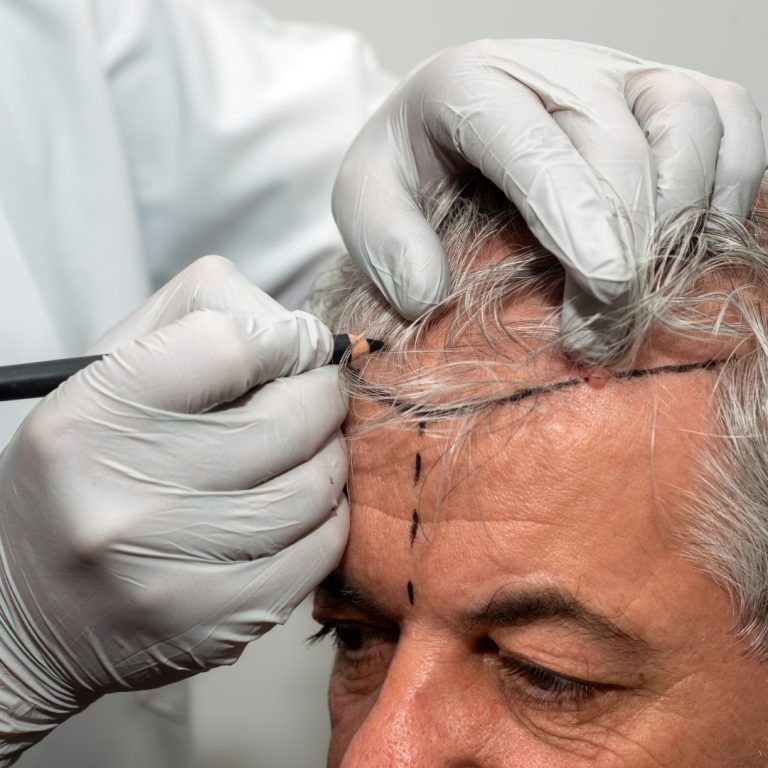
First, they shave the donor area (usually the back of your head, where hair loss almost never happens naturally). Then, one by one, they extract the follicular units. Then, they create tiny incisions (the “sites”) on the bald or thinning areas. Finally, they implant the hairs carefully into the new sites, matching the angle and natural flow of your original hair.
It’s a little bit like a game of super-detailed, biological Tetris, everything needs to fit together perfectly.
And What About FUT?
FUT stands for Follicular Unit Transplantation.
But it’s often simply called the “strip method”, which is much easier to remember and honestly describes it pretty well.
Here’s how FUT works:
Instead of picking hairs out one by one, the surgeon removes a thin strip of skin from the back of your scalp where the hair is strong. They then dissect that strip under a microscope into tiny follicular units, just like in FUE. Then, those units are implanted into the thinning areas, same as with FUE.
The big difference?
Because a strip of skin is removed, you’ll have a linear scar on the back of your head. It’s usually hidden under your hair, but if you ever decide to shave really close, it might peek through. Now before you panic, in skilled hands that scar can be extremely fine, almost like a pencil line. But it is a permanent scar, and that’s something you should seriously think about depending on how you like to wear your hair.
FUE vs FUT: Real-World Comparison
Let’s break it down even more simply.
| |
FUE |
FUT |
| Scarring |
Tiny dots, scattered, almost invisible |
Single thin line (hidden under longer hair) |
| Recovery |
Quicker (7–10 days) |
A little longer (10–14 days) |
| Pain Level |
Minimal |
Slightly more during early healing |
| Cost |
More expensive |
More affordable |
| Best For |
Short hairstyles, discreet healing |
Maximum hair coverage, bigger sessions |
| Hair Growth Results |
Extremely natural |
Extremely natural |
Notice something?
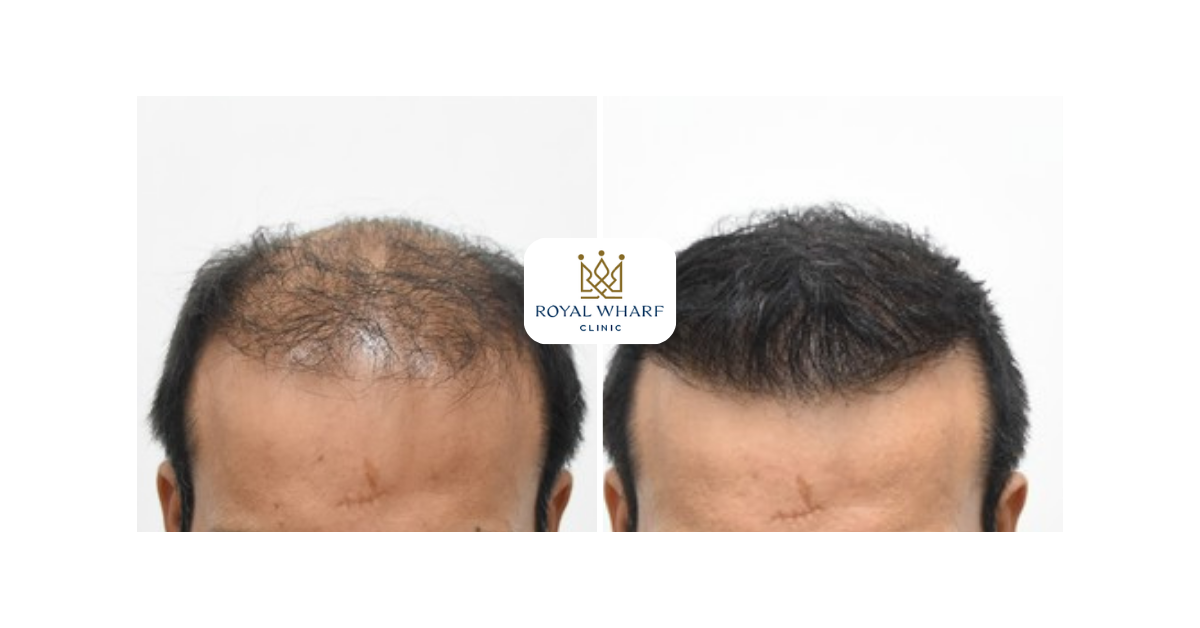
In terms of final hair growth results, both methods can deliver equally amazing outcomes.
The real choice isn’t about which method grows better hair, it’s about how you want to get there, and what you’re willing to accept during the process.
The Pros and Cons (with Real Talk)
FUE Pros:
- Minimal visible scarring = You can buzz your hair short without fear.
- Faster recovery = Back to work/social life quicker.
- Less postoperative discomfort = You won’t feel like you had major surgery.
- Perfect for people who want smaller, more specific fixes (like filling in temples or hairlines).
FUE Cons:
- It’s expensive = You pay for the time and labour intensity.
- Longer surgery times = Sitting still for 6–8 hours is not fun.
- Might require multiple sessions if you have a lot of balding.
FUT Pros:
- Huge number of grafts in one go = Great if you’re very bald or thinning badly.
- More affordable = Costs significantly less per graft.
- Efficient = Shorter time sitting in the chair compared to FUE.
FUT Cons:
- Linear scar = Might limit very short hairstyles.
- Longer downtime = You’ll need a couple more days to feel “normal” again.
- Slightly higher initial discomfort = Stitches and tightness feeling.
Why Your Personality (and Hair Goals) Matter
It’s funny, we talk so much about methods and scars and graft counts, but honestly, your personality and lifestyle matter just as much.
Here’s what I mean:
- If you’re the kind of person who lives in skin-fades and buzzcuts FUE is likely your best friend.
- If you plan to keep your hair a bit longer (think 2 inches and up) and want maximum coverage fast, FUT might be the smarter play.
- If you absolutely dread surgery and pain, FUE will feel gentler.
- If you’re practical and budget-conscious, FUT could save you a few thousand pounds without sacrificing results.
And here’s a truth few clinics will tell you:
Many people eventually need both. That’s right, hybrid strategies (doing FUT first to move a ton of grafts, then touching up with FUE later) are becoming increasingly common.
Cost: How Much Are We Really Talking?
In London (and other major cities), here’s a rough ballpark:
- FUE: £3,000 – £10,000 depending on the number of grafts.
- FUT: £2,500 – £7,000 for large sessions.
The thing to understand is that per graft, FUE often costs 20–40% more.
That’s because it’s insanely labour-intensive, almost artisanal.
At Royal Wharf Clinic, we always focus on what’s right for you, not what costs more.
Because the worst mistake is choosing based purely on price and ending up needing corrective work later.
Recovery: What Nobody Really Warns You About
No matter which method you choose, the first few days after surgery are weird. You’ll feel tender, a little swollen, and honestly, you’ll look worse before you look better.
Here’s a rough diary:
- Day 1–3: Swelling (sometimes forehead swelling drifts down the face, it’s normal).
- Day 4–7: Tiny scabs form around each graft.
- Day 10: Most scabs fall off naturally.
- Week 2–4: You experience the infamous “shock loss” transplanted hairs fall out. It’s scary, but totally normal.
- Months 2–4: You’ll feel like nothing’s happening. Stay patient!
- Month 5–8: Tiny baby hairs start popping up.
- Month 9–12: Major visible improvement.
- Month 12–18: Full final results blossom.
If you go in expecting this timeline, you’ll survive it with your sanity intact.
Final Verdict: FUE or FUT?
There’s no universal answer, only your answer.
But here’s a simple cheat sheet:
Pick FUE if you:
- Want minimal visible scarring.
- Like short haircuts.
- Can invest a little more financially.
- Want a quicker, less uncomfortable healing experience.
Pick FUT if you:
- Need maximum hair coverage, fast.
- Are happy wearing your hair longer
- Want to save some money.
- Don’t mind a small hidden scar.
A Few Last Words of Advice (From a Clinic Who’s Seen It All)
- Pick your clinic and surgeon carefully. Experience matters a lot more than fancy marketing.
- Be realistic. Hair transplants can do amazing things, but they won’t turn a Norwood 7 into a teenage hairline in one go.
- Patience is your best friend. Good things and good hair take time.
- Focus on artistry. Hairlines aren’t just mechanical they need to look natural, or you’ll regret it every time you look in the mirror.
And lastly:
You deserve to feel good about yourself again.
Whatever path you choose FUT, FUE, shaving it all off or rocking a hat forever, make sure it’s your decision, made from a place of hope, not fear.