
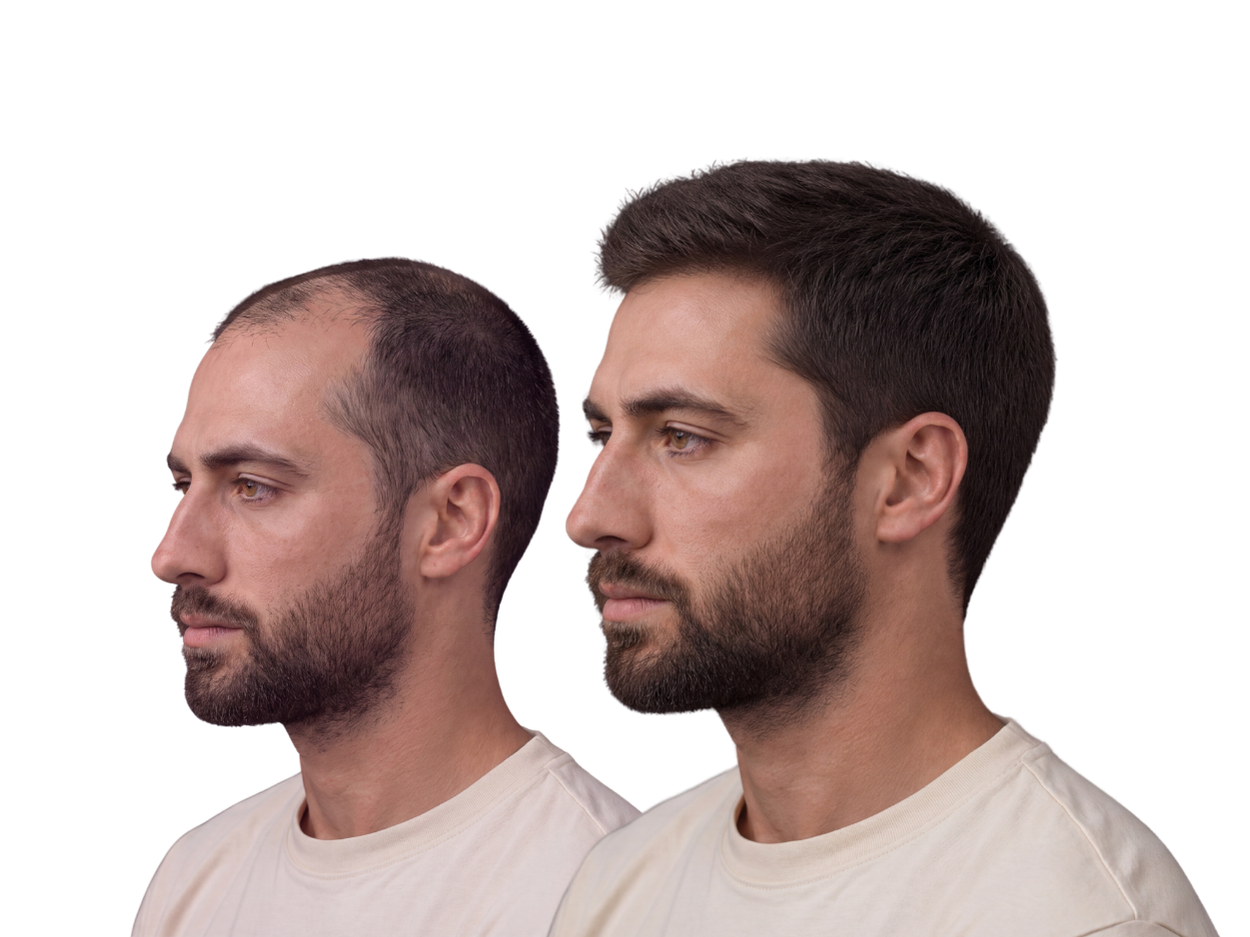
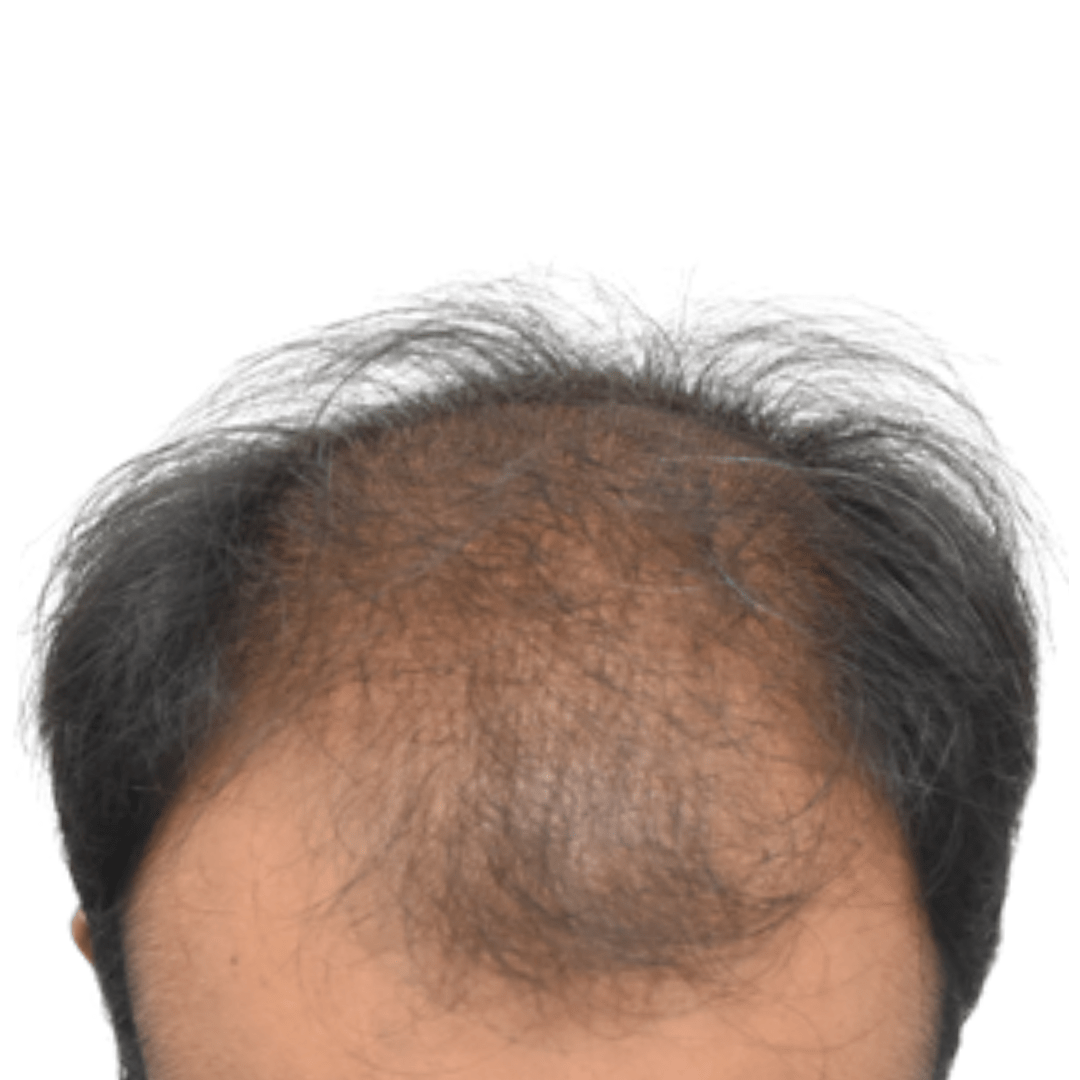
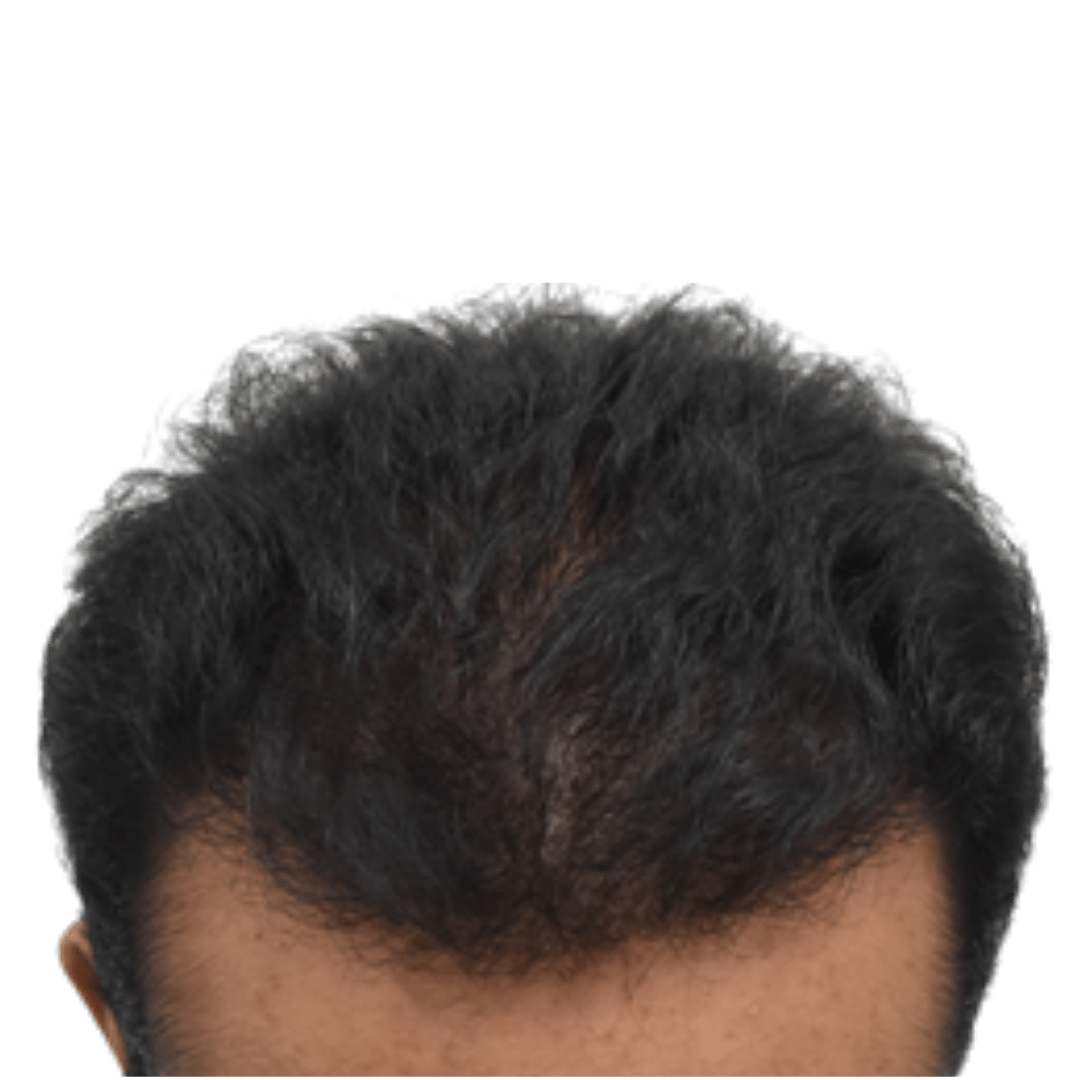
Before
After
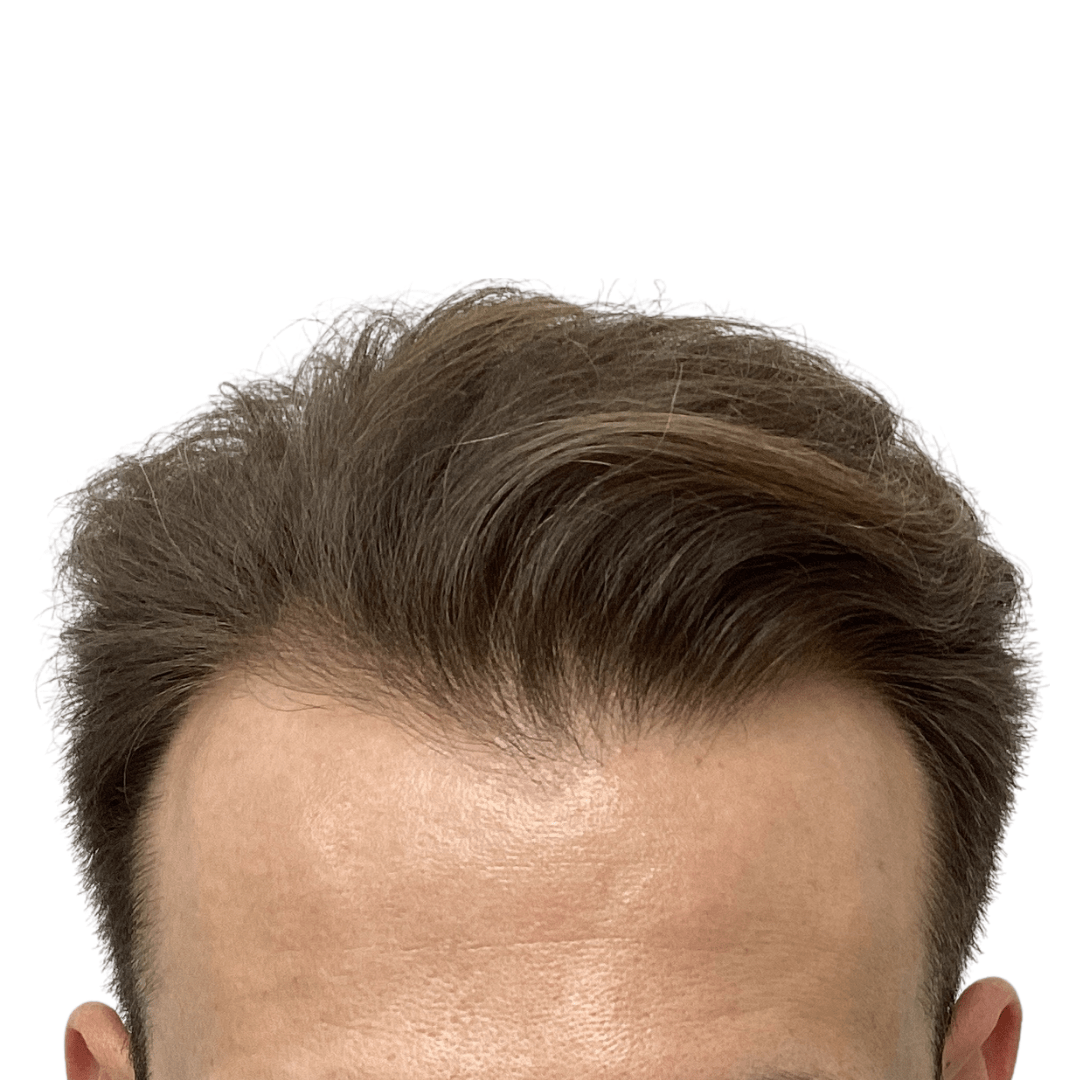
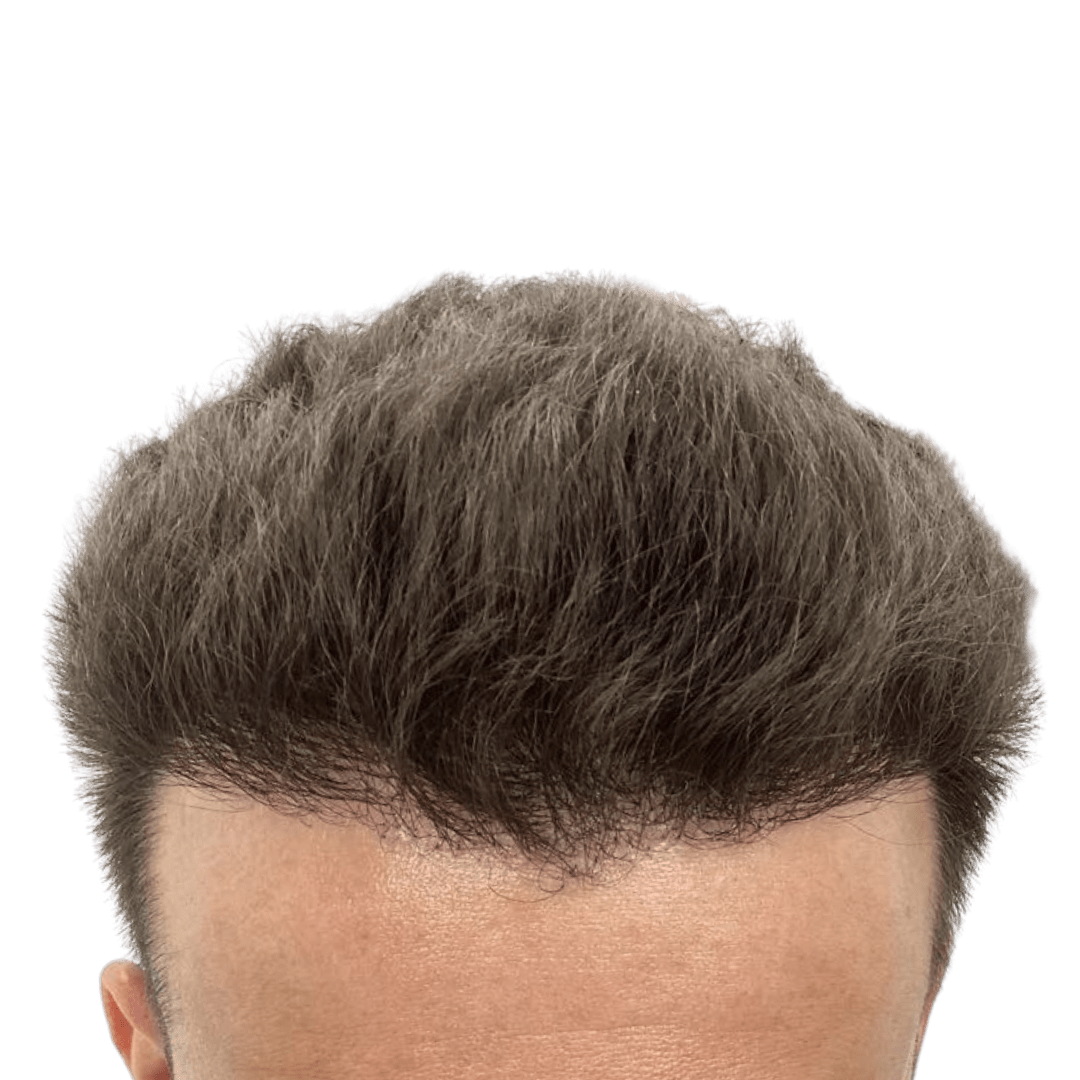
Before
After
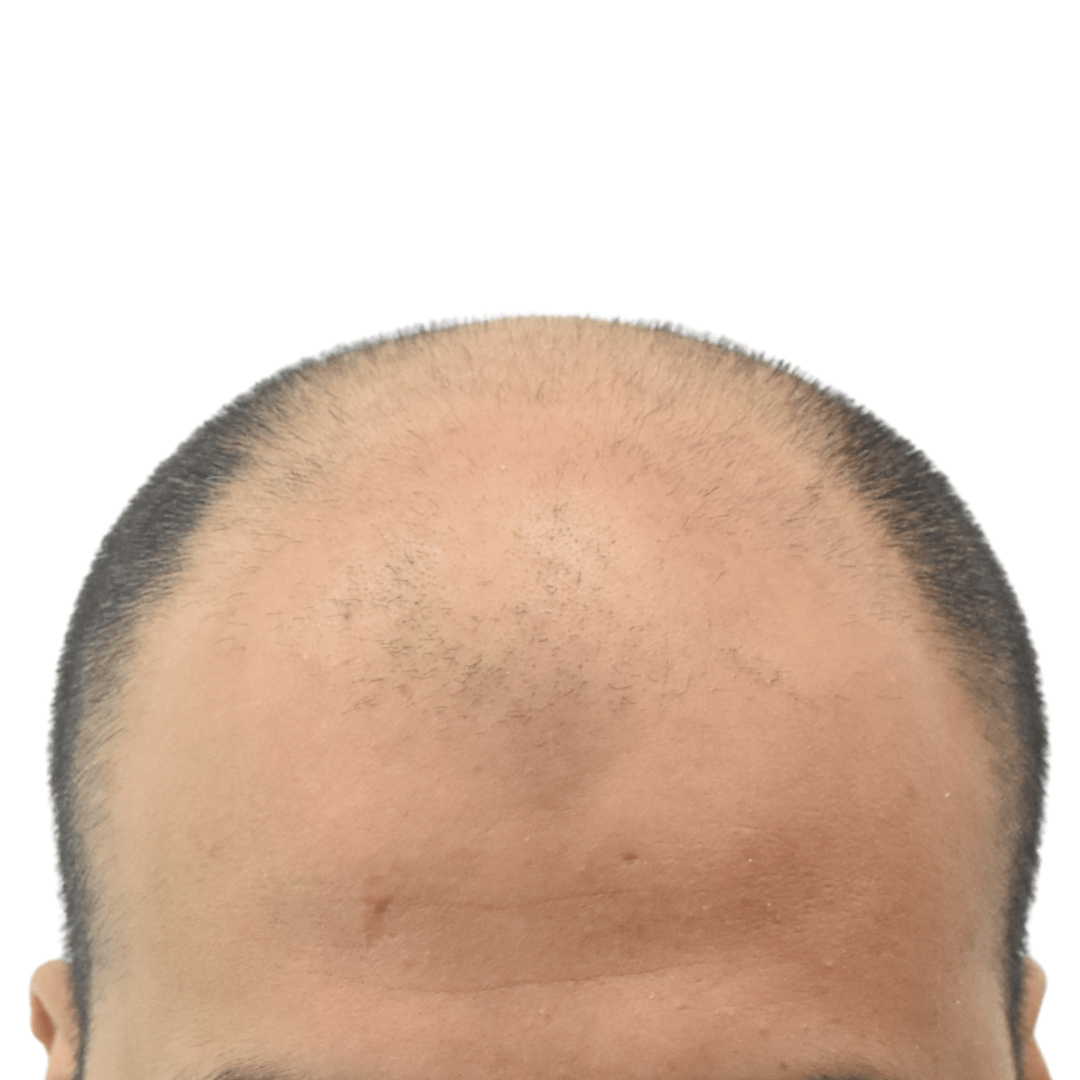
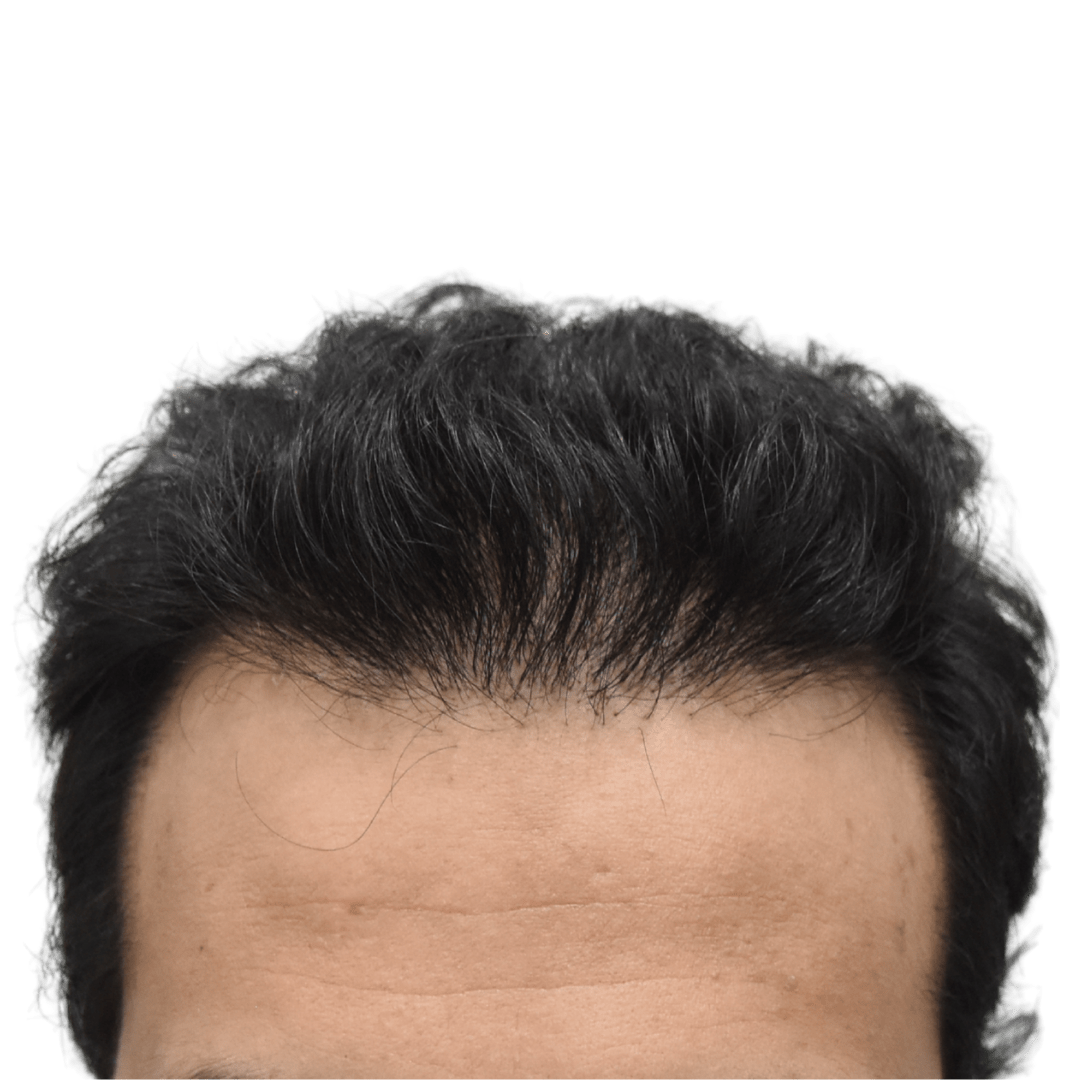
Before
After
Before
After


Bexley Connect
7 months ago
I had an excellent experience with Mr. Ani. He was very professional, responsive, and helpful throughout the entire process. His communication was clear and timely, and he went above and beyond to ensure everything was handled smoothly. I truly appreciate his support and would highly recommend his services to anyone. Thank you again for your great work!
Best regards,
Bilal Kakar

Juber Miah
9 months ago
I had a hair transplant with good results after 5 months. Thank you Dr Shaan and his staff.

sanjit dhillon
9 months ago
Had a PRP session with Berta and the service was amazing and the clinic and herself were very accommodating. 10/10 service and procedure

Zakariya Haque
9 months ago
Great People. Seamless service. Easy to communicate with . Highly recommend there Hair transplant Service . There very transparent and honest and work with you to achieve Your goals.

Gok Gani
9 months ago
I had PRP done at this clinic. Berta, one of the nurses is very approachable and friendly has done a great job so far. Would definitely recommend

Ben Reeves
10 months ago
I had my hair transplant at Royal Wharf Clinic on the 29th of November, and I can honestly say it has been a great experience from start to finish.
From the very first consultation, Ani was excellent. He was honest, transparent, and guided me through the entire process, answering all my questions clearly and realistically. During that initial consultation, Dr Shaan also made time to see me after finishing surgery, which I really appreciated. He spent time examining my hair and gave professional, straightforward advice, which immediately built my confidence in the clinic.
On the day of the procedure, Mansi was outstanding. She showed great professionalism throughout and was fantastic with my aftercare. She made me feel very comfortable and well looked after from start to finish.
Dr Shaan himself was brilliant. He is very easy to feel comfortable with, honest about the procedure and what to expect, and he checked on me constantly throughout the day. His calm and reassuring manner made a big difference.
The technicians were also excellent. Unfortunately, I don’t remember their names, but they were clearly very skilled and experienced. I believe it’s just as important to have highly experienced technicians as it is to have a great surgeon, and the team here definitely reflects that.
I’ve also just completed my first PRP session with Berta, who was great. She was very attentive and even made me a latte and brought me some chocolate while waiting for my blood in the centrifuge — a small touch, but one that really shows the level of care they give.
Overall, this has been a great experience. The pricing is very fair, everyone is professional, friendly, and genuinely cares about their patients. I would highly recommend Royal Wharf Clinic to anyone considering a hair transplant.

Richard Breen
10 months ago
I had my hair transplant at the Royal Wharf Clinic in Docklands, with Dr Shaan Mahmood as my surgeon, and I couldn’t be happier with the experience. I chose Dr Mahmood after watching his YouTube channel, which is second to none when it comes to education and transparency around hair transplants.
The pre-operative appointment was extremely informative and reassuring, and the entire team were both professional and friendly, which immediately put me at ease. The procedure itself lasted around seven hours. Although I was understandably nervous beforehand, there was absolutely no need to be — the team were brilliant throughout.
The aftercare has been equally impressive. I had a query pre-procedure, and Dr Mahmood personally called me straight away, which speaks volumes about the level of care and commitment provided. I would highly recommend the Royal Wharf Clinic and Dr Shaan Mahmood to anyone considering a hair transplant

Mahmud Reyani
10 months ago
After a year of research comparing hair transplant options in Turkey and the UK, I decided to go ahead with my procedure at Royal Wharf Clinic. The procedure took a place three weeks ago.
As part of my research, I spent a lot of time watching YouTube videos to better understand the process. By chance, I came across several videos by Dr Shaan, and I was immediately impressed by the way he explained everything step by step. His approach, professionalism, and depth of knowledge really stood out, which prompted me to contact the clinic.
I initially got in touch via WhatsApp and spoke with Ansi, the medical advisor. We spoke for some time, and he was extremely professional, knowledgeable, and patient. He answered all of my questions in detail, reviewed photos of my hair, recommended the appropriate number of grafts, and advised on the most suitable package for me. I was also pleasantly surprised by how affordable the options were. The booking process was very smooth. Thank you, Ansi, for the excellent support.
Then, Unfortunately, due to unexpected maintenance work at the clinic, my original surgery date had to be rescheduled. Mansi contacted me by email to explain the situation clearly and gave me the option to either cancel or reschedule, while also offering generous complimentary extras. She was both apologetic and highly professional, and I genuinely appreciated the way the situation was handled—it was a great example of outstanding customer service. Thanks Mansi !!
The following day, Dr Shaan personally called me to explain everything in detail and reassure me. It was an easy decision to reschedule, as I felt confident that I was dealing with genuine people who truly respect their patients.
On the day of the surgery, I was warmly welcomed by Mansi and Dr Shaan, who made sure I was comfortable from the very beginning. I then met the technicians, who were all professional and friendly. Together, Dr Shaan and the team designed my hairline and explained exactly how the grafts would be distributed. The hairline looked very natural, and I was extremely happy with the plan.
The surgery itself lasted around 8 hours and was completely smooth and pain-free. Dr Shaan was very hands-on throughout the procedure, and the skill and professionalism of the entire team gave me great confidence that I was in the right place.
The aftercare has been excellent. Before I left, Dr Shaan provided very clear instructions on what I needed to do and what I should avoid. Since returning home, both Dr Shaan and Mansi have remained very responsive whenever I’ve had questions, which has made me feel fully supported throughout my journey rather than abandoned.Thank you Dr Shaan for your support and patience!!
Overall, I wholeheartedly recommend Royal Wharf Clinic. While final results take time and I am still early in the process, I am confident that I made the right choice and I look forward to seeing the final outcome.

S
11 months ago
Berta Vidal has been absolutely amazing. She is incredibly helpful, attentive, and genuinely caring. Throughout my treatment she made sure I felt comfortable, supported, and well looked after. Her professionalism and kindness truly made a difference. Highly recommended.

Raja Miah
11 months ago
I’ve had 2 previous hair transplants in Turkey which concentrated on the front and middle part but didn’t want to go there for my 3rd transplant and opted to come to Royal Wharf Clinic for my 3rd instead as I wanted to do it in the UK and had been following the clinic and Dr Shaan had n TikTok for a little while.
The whole experience, from initial contact and consultation, through to the surgery, post-surgery care and PRP treatment 4x weeks later has been incredible! Communication is effortless, the care and products available have been second to none.
During my previous dealings with other clinics, they’ve been focused on selling a product, then after sales products, but I’ve not had that with the Royal Wharf Clinic. They have been extremely accommodating during my care and ongoing communication.
Believe me, you won’t be disappointed. If you have any queries, help and good advice is always at hand.
A very special thanks to Ani, Dr Shaan, Mansi, Berta and the medical team that took care of me during certain parts of the procedure. Would highly recommend all of you to everyone, including my friends 🙏🏽🙏🏽🙏🏽

Mohamed Miah
11 months ago
Just had a hair transplant with Royal Wharf Clinic and Dr Shaan, had very nice time, the design looks very good and the whole team and technicians were very good and skilled. Reasonable prices in London!! Very happy

el Ahmed
11 months ago
Berta is very helpful and professional and good hands

X
11 months ago
I came for my first PRP session after HT with Dr Shaan and his team was fantastic , Berta very professional and caring.

Imran khan
12 months ago
I am so glad that I didn’t have to fly out to get the hair transplant done. I have had few consultations here in the UK and pretty much all of them offered me a date within few days but when I met with Dr. Shaan for a free consultation, the first question he asked was if I still have an active hair loss… if so, we need to treat that first and that was the selling point for me to go with Royal Wharf Clinic because that demonstrated that he cares and not there to just print money :0) whereas none of the other clinics asked me that and made me feel like I am just another client.
I finally had a Hair transplant for maybe bit more expensive than abroad but given what I got in the package is absolutely fantastic. I went for the premium package (totally worth it). I had a pick & drop from home (great help), off course the FUE procedure, Lunch, 4 x PRP’s + Biotin, complimentary T-shit & Tracksuit, medication + post-op care kit, 4 x follow up consultations with Dr. Shaan which was the key for me. Some of my friends got it done abroad and struggled with after care. There is so much you need to know post procedure and the most, mental satisfaction to know that if something goes wrong, you can drive up to the clinic.
My experience on the day was way better than I anticipated. The entire staff went above and beyond to ensure everything goes smoothly and accordingly to the plan. They ensured my comfort (as it can be bit painful) and made me feel like I am in save hands. Netflix & music was a plus on the day, it takes your mind away from what’s going around your, as lying down for 7-8 hours straight is not easy :0).
I cannot praise enough Dr. Shaan, Dr. Mansi, Technician Indra & others for the care and support they have provided to me through out. I also got to meet the managing director (Sunny) on the day and was very impressed by his humbleness & professionalism.
It has been 3 months since I had the procedure & I am very pleased with the outcome & few follow ups since. I would 100% recommend this clinic.

Sofia Campbell
12 months ago
I am glad that I found this place mrs berta was so nice in handling clients she did micro needling and exosome treatment for me.

Chris
12 months ago
Amazing experience from the very first consultation with Ani who could answer all my questions and was never once pushy like other clinics. Everyone I have dealt with has been extremely professional, knowledgeable and helpful. Dr. Shaan is brilliant at what he does and he is very passionate about it, he is also hands on in the procedure along with the technicians who were great.
The clinic pick you up or arrange an uber from your hotel anywhere in London and drop you back off after your procedure. They also provided me with lunch, an aftercare kit and a tracksuit which is a nice touch.
The clinic is very clean and modern and you are made to feel at home from the second you step foot inside, the staff also do everything they can to make you feel comfortable and relaxed through the whole process.
Before and after the procedure they are more than happy to answer any questions or queries you have and you have direct contact with them via WhatsApp.
I could’ve got a flight to Turkey in the same time I can drive to this clinic (5 hours) but I’m so glad I decided to stay in the UK and use RWC.
In a nutshell I would 100% recommend using Dr. Shaan and the medical staff at Royal Wharf Clinic. For the price you pay and the service you receive for a UK clinic it is worth every penny.

Adam Baig
12 months ago
Excellent clinic
Dr Shaan is a great professional and an amazing surgeon over the moon with everything.. thank you for team and also better who did my prp today

The Sweeney
1 year ago
I chose RWC because I had seen Dr Shaan's YouTube videos and was impressed with his knowledge and honest approach. The pricing was realistic for me and i didn't want to go to Turkey, so I took the plunge and contacted RWC. I was then contacted by Ani and he explained what was involved and asked me to send some photos of my hair. He then showed them to Dr Shaan and came back to me with a price and explained how many grafts would be needed.
I had a little thinking time and then arranged a time that was suitable for me.
I live in the north of England and so popping down for a consultation wasn't easy. All contact was over the phone which was fine.
On the day of the procedure in October '25 I attended the clinic early, had a decaf coffee and then the journey began.
I felt no pain whilst having the initial anaesthetic and felt no pain during the extraction. The staff are very patient and do all they can to get a great result for you including taking more grafts if required in order to get a great result. I was expecting to have between 1500 and 2000 but ended up with 2300 grafts.
Dr shaan performed some of the procedure and his experienced staff did the rest
I have to say the food provided at lunch time was tasty and really healthy. (Chicken and rice).
The rest of the day went well with everything completed by 4.40pm.
I had a conversation with Dr Shaan about the next few weeks of care and he provided all the things I would need to perform that care such as anti biotics, shampoo, pain relief and even a tracksuit so I didn't have to put my head through clothing.
I then had a taxi booked to take me to my hotel and that was the end of an unusual but quite exciting day.
Dr Shaan checked up on me the next day to see if all was well. TBH my head was still numb but I didn't have any pain at all.
Sleeping was the trickiest part but you'll get through that. I haven't had the forehead or facial swelling which was a bonus. My scalp is well on the way to recovery with most scabs having fallen off naturally. The process is a long one but I'm looking forward to my results.
I'm pleased I used Royal Wharf Clinic. I would use them again if needed. There were no hidden costs and everything Dr Shaan says he'll do, he does.
So if you are thinking about a procedure, give them a call, then make your own decision. I did, I'm pleased I did. Watch his videos too, they are really helpful.

Ollie
1 year ago
Great experience from start to finish. The staff were professional and really looked after me during the procedure. They even provided good food on the day and booked me an Uber home afterwards, which was a thoughtful touch.

David
1 year ago
I had an FUE hair transplant with Royal Wharf Clinic last week and I have been so impressed by the level of care both on the day and following the operation. The clinic is modern and very comfortable, and I was impressed by the professionalism of all the staff, especially Mansi who helped me so much with all the pre-op preparations. The operation itself was mostly painless and Dr Shaan and the technicians were accommodating and patient with me throughout even though I was quite nervous and anxious. Following the operation, I was delighted to receive a goody bag from the team which included everything I need for post-op care, including a cozy tracksuit to wear around my apartment while resting. I am delighted with my new hairline and I'm very excited for everything to grow in over the next few months. I would happily recommend Royal Wharf Clinic for anyone considering a hair transplant!

Chris O Brien
1 year ago
From the very start of my enquiry customer service was 10/10
Ani was very helpful on the phone explaining how things would work and made me understand the procedure and filled me with confidence about going ahead with Royal Wharf Clinic.
I then met the whole team to leave my deposit and everyone was super friendly and professional and the clinic itself is superb , very clean and makes it known you are in the right hands.
On the day of the procedure Dr Shaan was amazing, made the whole surgery as comfortable and pleasant as possible with Netflix and YouTube as my disposal at anytime throughout the surgery.
Post op instructions where very clear and made easy to understand and able to contact the team at any point if I had any questions whatsoever.
If you are on the fence about where to go , I honestly couldn’t recommend royal wharf clinic enough.

Parvinder Mann
1 year ago
I had a hair transplant at Royal Wharf Clinic, and my experience has been excellent from the initial consultation onward. Dr. Shaan is incredibly knowledgeable and professional, and his ability to answer every question with such expertise puts even the most nervous patient at ease. A big thanks to him and the wonderful team at the clinic, Mansi and Maria, who were amazing throughout. I’m just as pleased with my choice of clinic as I am with the procedure. 10/10, highly recommend!

Moitrayee Datta
1 year ago
I was very impressed with the doc and the therapist. Really loved the microneedling and PRP for hair

Roger Lewis
1 year ago
Could not fault the service the clinic provided. Watching the utube videos gave me the assurance I was looking for. On the day, all went well and the team made my experience as relaxing as possible. Even fell asleep during the procedure.

robert birch
1 year ago
Great service from the whole team, excellent from start to finish!!

Abel Gougsa
1 year ago
Elite all round service. I began with a consultation which Dr Shaan provided very detailed information and took extra care in making sure I understood all options. No sales pitch, no pressure, just informed options.
Between consultation and surgery, Dr Shaan and his team were constantly available.
On the day the team took extra care in how they dealt with me. They took their time to insure the lining was correct, constantly checking up on me and created an all round welcoming environment. Considering the type of surgery, it's been a great experience.
Special shout out to Dr Shaan, Goldie, Phanindra, Mansi for being elite at what they do.
Update: Just came for my second PRP sesh. Berta who conducted the session can be added to the list of awesome staff

J Ahmed
1 year ago
Had a consultation with a Toyal wharf clinic a couple of months ago. Today I had a hair transplant, the team was amazing. Dr Shaan and his team were fantastic. Explained everything to me pre transplant and after a smooth transplant, offered their assistance post transplant. Amazing service!

Ethan
1 year ago
I couldn’t be more pleased with Dr. Shaan and his team. Everyone was kind, accommodating, and helpful.
Shiva, who did a large portion of my treatment, was amazing. Everything in the procedure was well explained and well paced.
High quality clinic, great value, and would absolutely come back for future treatments.

Obinna Awuzudike
1 year ago
Had my procedure at the start of August and now out of the initial healing phase and can state Royal Wharf Clinic is probably the best clinic out there especially in the UK and if you are considering to go to Turkey. I have put off my procedure since June 2023 due to finding out negative reviews after paying deposits for a clinic in London and another in Turkey, so it’s not hyperbole when I state going with Royal Wharf and Dr Shaan is the best option when you want a best in class service.
The add value of transport to and from the clinic took hassle away on the day and serving a hot lunch was a nice touch. Further more the post op care has been outstanding as Dr Shaan is very responsive, it’s not a case of you get the procedure done and he leaves you in the wilderness and even that came with the added touch of medication which I already have a prescription for so saves me buying it for the next quarter. I have already recommended him to my personal network

Parul Sharma
1 year ago
Had my first laser hair removal session with Berta and it was great! She’s incredibly attentive and thorough — made me feel really comfortable and explained all the processes. Looking forward to the rest of the sessions to see how well the treatment works for me

john fiore
1 year ago
Had my hair transplant here on the 1/08/2025 with Dr Shaan .
My experience has been excellent here.
I looked around first before making my decision where to have the procedure done ,and me and my wife just kept coming back to royal whalf clinic . Ani was brilliant and answered every question we had and was never pushy in trying to make us go with royal whalf clinic and explained everything in detail to us . As we lived so far away Ani went through every detail over the phone .
We stayed in a local hotel ( London city travelodge) i was collect from there in the morning and taken to the clinic . All staff was lovely and kind was talked through what was going to happen , the clinic itself it extremely clean and tidy . Even had a delicious cooked meal in my break and my wife got to sit with me whist I had my break . After the procedure Dr shaan went through every step of the aftercare in very good details and was given paperwork with aftercare on also and via email . Was given a lovely aftercare package with all the bit I needed Medication ect and a few goody's also 😁 and then had transport back to my hotel . Overall I couldn't recommend this clinic enough .. look forward to my follow up appointments here and my second procedure in 6 months .

Lenny Chiakka
1 year ago
From the moment I arrived at the clinic, every member of staff I encountered was incredibly warm and welcoming. Their friendly attitude immediately put me at ease. I’d like to give a special mention to Berta, who went above and beyond to make my visit as comfortable as possible. She consistently checked in to ensure I was feeling okay and did everything she could to help me feel relaxed throughout the entire experience. Her attentiveness and genuine care did not go unnoticed, and it truly made a difference.
Thanks to Berta and the entire team, my visit was not only pleasant but genuinely enjoyable. I’m already looking forward to my next appointment. Thank you all so much for your kindness and exceptional service.

Jason Ozuzu
1 year ago
Had a fantastic experience with my HT procedure with Dr Shaan - super professional, and extremely smooth throughout. Would definitely recommend!

Rashid Mahmood
1 year ago
Had an amazing experience here at royal wharf clinic. Dr Shaan was very patient informative and attentive. He was with me pretty much throughout the day. I can't recommend Dr Shaan and his surgical team highly enough. Thank you once again. Much appreciated 👍

Fatima Ladiane
1 year ago
Today I went to the clinic with my mum we been coming to this clinic over one year now and my mum face changed completely she suffered from bad acne and now her safe it’s completely clear and I would like to thank Berta for the treatment she provided today she was very helpful professional and funny too 🥹❤️

Ishaaq Elahi
1 year ago
I had a hair transplant performed by Dr. Shaan yesterday at Royal Wharf Clinic, and it exceeded my expectations. From my consultation a few months ago, it was clear that Dr. Shaan was knowledgeable, professional, and highly competent—something he and his team demonstrated throughout the procedure. I was well looked after on the day, with lunch provided and transportation arranged to and from the clinic. Having access to Dr Shaan for up to a year after my hair transplant has also boosted my confidence in the quality of their care and service. I couldn’t recommend Royal Wharf Clinic more highly!
Update: I have just had my fourth and final round of prp injections as part of my package, and I am very happy with how Dr Shaan and Berta have handled this process carefully and professionally over the past few months.

Adeel Amjad
1 year ago
Berta made me feel at ease and during my treatment made sure I was completely comfortable throughout. She delivered an amazing service. The RW Clinic is such an amazing space for a variety of treatments. Friendly staff and a very clean environment. Highly recommended.

Nasir Mehmood
1 year ago
Have an excellent experience.
Must recommend for all kind of hair issues

Mirriam Maina
1 year ago
Berta was so kind and so careful during my laser hair removal procedure. I felt well taken care of. Would highly recommend her. Ask for Berta

C
2 years ago
I had full body laser with lovely Berta! She was amazing and made my experience as pain free as possible! Would definitely recommend!

Mary Hume
2 years ago
So impressed! I only went in for an appointment but was fitted in for a cortisone injection there and then. All the staff were lovely and the doctor who treated me was very kind and patient answering all my questions. I never felt rushed at all. I would definitely go back and would highly recommend them.

peter banks
2 years ago
So glad I found Royal Wharf Clinic.
I had a hair transplant with them & it was a big job 😀
We sat down & had a great discussion & consultation.
They are so professional & so personable.
Thank you all so much for great work.
I highly recommend this great company.
Kind regards. 👍🏻

Mark Murray
2 years ago
Very professional service. staff are amazing and make sure you are relaxed and comfortable through our your procedure. Dr Mahmud communication is excellent and talks you through each stage of the treatment, explained the process, risk and realistic outcome... thoroughly recommended.

ismail
2 years ago
Top Service
Pick up and drop off
Very informative
A clear outlined plan
Not as painfull as I taught
Great after care guidance
Shaan Mahmood what a gentleman
He and his staff get my 2 thumbs up
And 5 stars

Shohaib Khan
2 years ago
I had the pleasure of undergoing a hair transplant at Royal Wharf Clinic on 1st February, and I couldn’t be more impressed with the entire experience. From the very start, the consultation was straightforward and relaxed. I felt fully informed and at ease, as the team took their time to answer all my questions and discuss my options.
The payment process was also seamless, with clear details and a smooth transaction that made everything easy to manage.
A special thank you to Dr. Shaan, who was incredibly reassuring throughout each stage of the procedure. He was always there to answer my concerns and made sure I felt comfortable and confident every step of the way. The team of surgeons did an outstanding job — the results already look fantastic, and I’m excited to see the final outcome as I continue to recover.
FYI- please please know, the local anaesthesia NOT hurt. I’m not just saying this, it really does not. But then again, this is due to how Dr Shaan performs the surgery. You don’t feel a thing. You are always reassured!
Overall, I’m extremely happy with the care I received and would highly recommend Royal Wharf Clinic to anyone considering a hair transplant. They truly exceeded my expectations in every way!

Lee Sinclair
2 years ago
Very nice people really helpful very good clinic

Brooke Arnold
2 years ago
Excellent service for skin tag removal using cryotherapy. The doctor was highly informative, friendly, and professional, ensuring a smooth experience throughout the procedure. The clinic itself is lovely, creating a welcoming atmosphere. I highly recommend it.

Louise Hogarth
2 years ago
Exceptional. From start to finish I couldn’t fault my experience here. From the simple booking process, to the warm welcome, and the treatment itself. Dr Shaan made me feel very comfortable and confident in the process, by sharing his professional expertise and knowledge, I felt like I was in safe hands. The clinic itself is really lovely. I would highly recommend. I’m so pleased I’ve discovered this clinic and I’ll be back.

S I
2 years ago
I have just had a hair transplant at Royal Wharf Clinic, and I must say the service had been excellent, the hairline looks amazing, very natural looking and very dense.
I was worried about finding a good clinic, and didn’t want to think about travelling abroad because of aftercare
Dr Shaan and royal wharf clinic have performed an amazing job, very happy with it. Their aftercare is good, and the doctor personally called everyday for the first week after to see how I am doing!
Update after 3 months:
This is my hair now after 3 months!
Check the picture below, from the before surgery to now:
Update (12 months later):
Update after 12 months:
I recently had a follow-up appointment to review my progress. The results continue to develop, and overall the hair is still full, although some areas remain weak rather than bald.
After assessing my hair, Dr Shaan advised not to rush into a second procedure at this stage and explained that it’s better to give the existing hair more time with medication. He clearly discussed the risks of operating too early and recommended a conservative, long-term approach instead.
The follow-up has been ongoing, and I appreciate the honesty and lack of pressure. If hair loss becomes more obvious in the future, we will reassess and consider a second procedure if it is medically appropriate. I’ll continue to update my review as time goes on.

Sameer Qureshi
2 years ago
After years of years of contemplating about getting a hair transplant. I booked my consultation with them and I must say it was the smoothest and easiest decision. The team at Royal Wharf are amazing friendly and kind. Big shout out to Dr Shaan he was with me every step of the way before my surgery and after answered all my questions and still is till this day. Definitely recommend them.