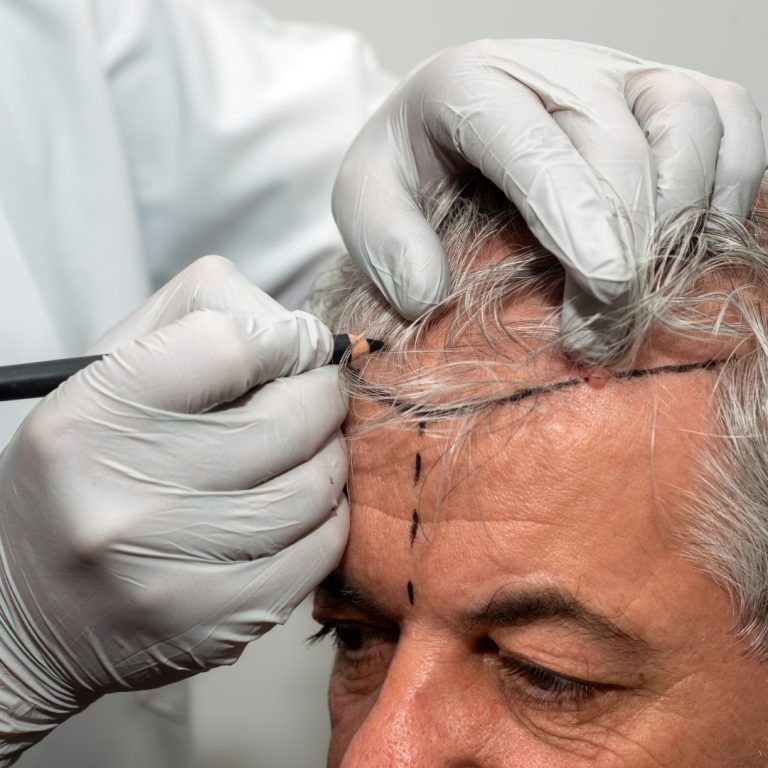
Hair Transplant Procedure
Millions of men and women around the world lose their hair. Losing hair can make you feel very low in confidence, whether it’s because of your genes, getting older, or something else. The hair transplant procedure has really improved over the years, which is great. Advanced treatments at centres like the Royal Wharf Clinic are helping people get their hair and confidence back, especially in big places like London.
As the need for them grows, more and more people are picking hair transplants as a long-term solution to baldness or hair loss. But it’s important to know what to expect before, during, and after the process before you take this step.
Initial Consultation
When getting a hair transplant in London, the first thing that needs to happen is a thorough meeting with a trained professional. Professionals at centres like Royal Wharf Clinic look at your skin, hair growth, medical background, and goals. You will also talk about whether you are a good choice for a donation and which method (FUE or FUT) works best for you.
Pre-Transplant Instructions
There will be specific pre-op Instructions given to you by the doctor before your hair transplant procedure. This could mean-
- Not drinking or smoking for a few days before the surgery
- Stopping blood-thinning drugs if told to do so
- Putting a special shampoo on your hair and washing it
- Not getting your hair cut before the game
The hair transplant recovery process will go more smoothly if you follow these steps.
During the Procedure
Step-by-Step Process
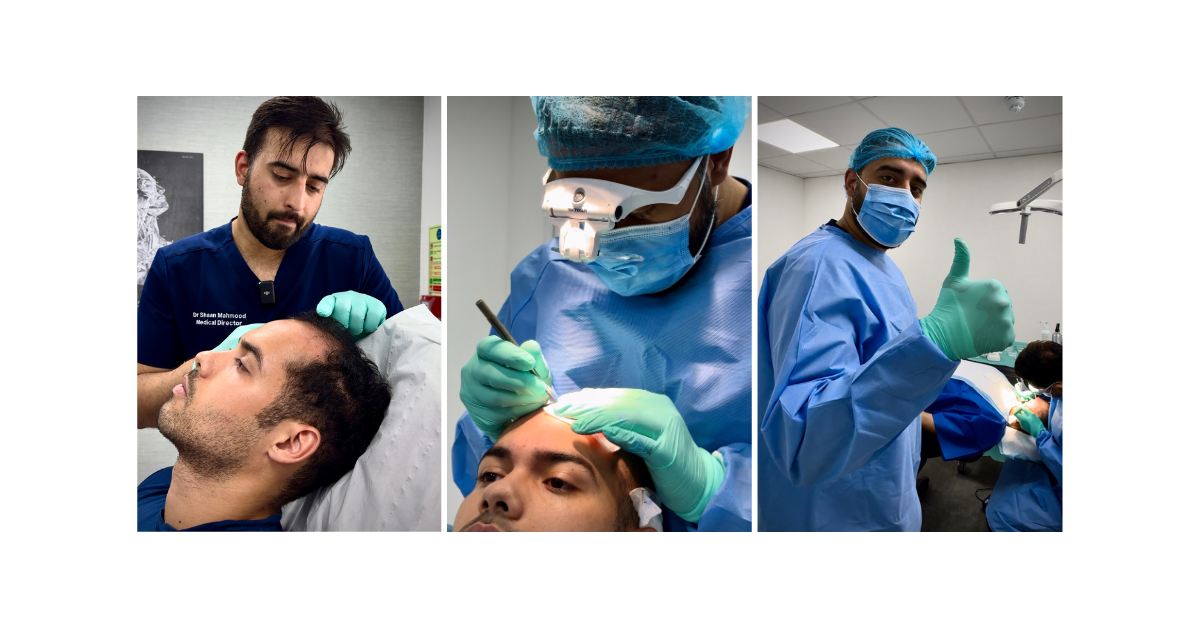
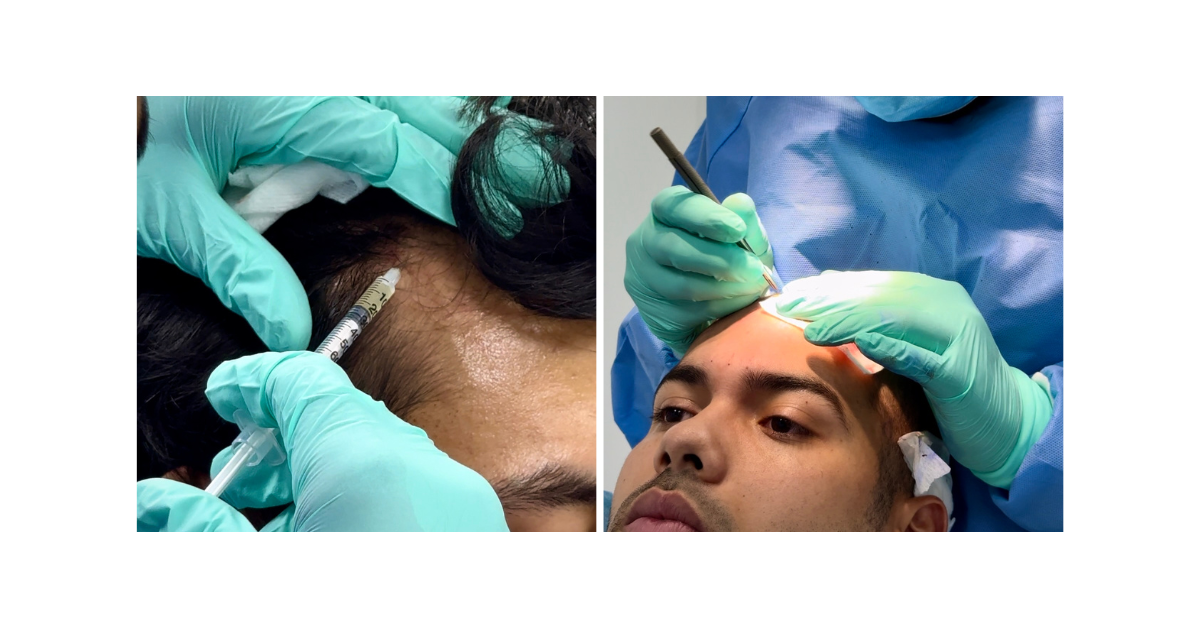
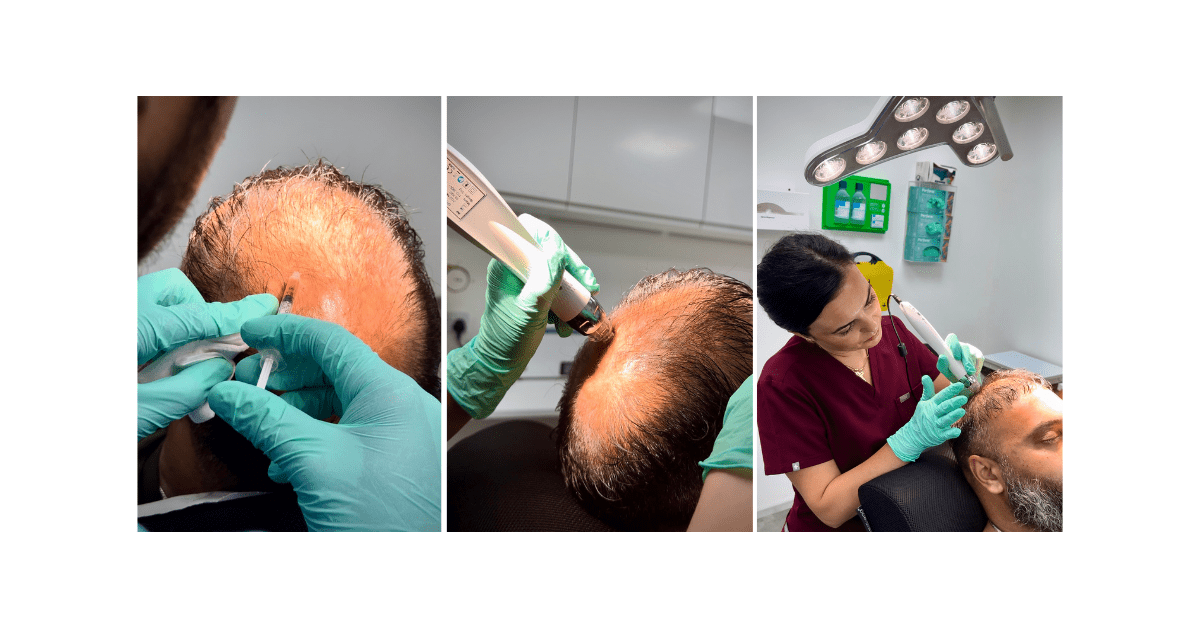
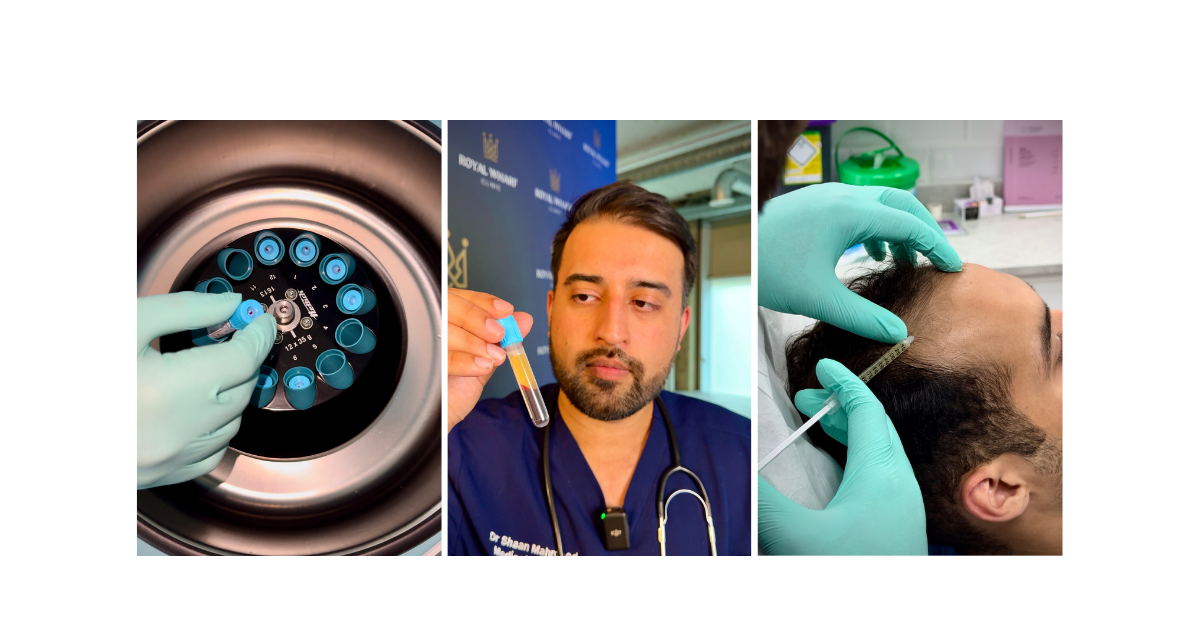
On the day of your transplant, the procedure normally starts with shaving the donor region, which is usually the back or sides of your head. You will be given local anaesthesia to numb the region.
Extraction– Hair follicles are gently removed from the donor region.
Preparation– The retrieved follicles are cleaned and separated.
Implantation– Tiny incisions are created in the balding or thinning region, and follicles are implanted one at a time.
This stage of the hair transplant procedure might take several hours, depending on the number of grafts being implanted.
FUE vs FUT Overview
There are two main methods used in hair transplants-
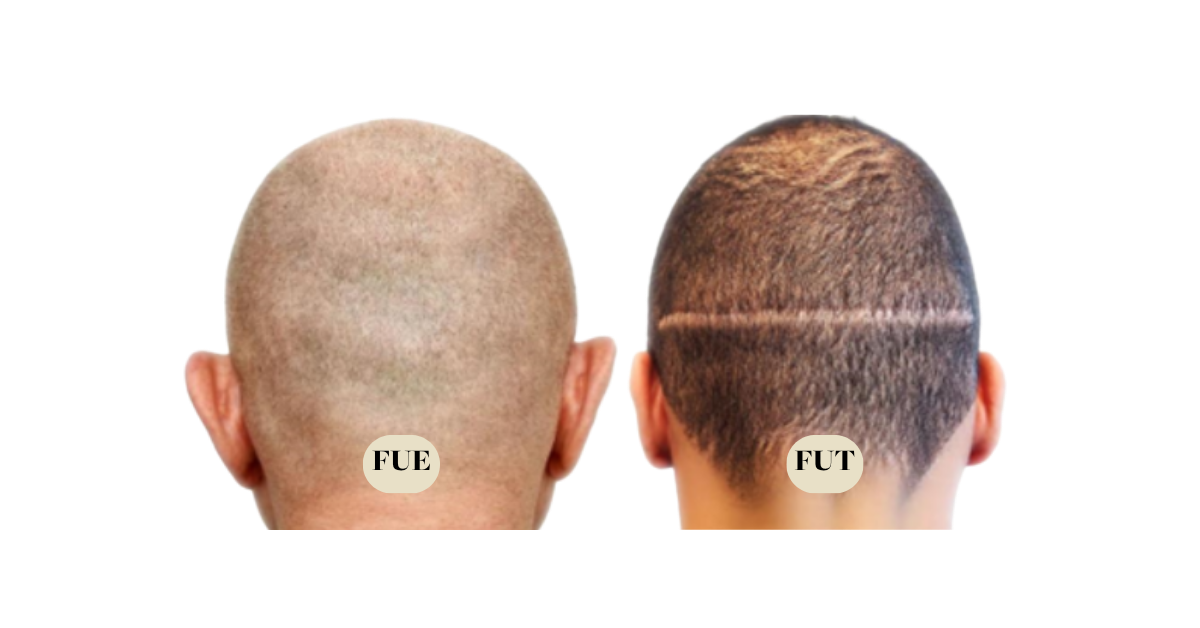
FUE (Follicular Unit Extraction)- With FUE (Follicular Unit Extraction), hair follicles are taken out one at a time. Less bruising is caused by it, and it heals faster.
FUT (Follicular Unit Transplantation)- For FUT (Follicular Unit Transplantation), a strip of skin is cut off and put into several smaller pieces. People who need a lot of grafts are generally told to use this method.
Both have their good and bad points, but FUE is more popular these days because it is less invasive.
After the Procedure
Recovery Timeline
Understanding the hair transplant recovery time frame is critical. Here’s a general sense of what to expect-
Day 1–3- You may notice puffiness and slight pain. Don’t touch or wash the treated area.
Day 4-10- Scabs will develop and then fall off spontaneously.
Week 2-3- The transplanted hair may begin to shed. This is natural and transitory.
Months 1-3- New hair growth becomes evident.
Month 6-12- Remarkable increase in hair thickness and density.
Side Effects and Care Tips
A hair transplant operation, like any other medical therapy, may have minimal adverse effects. Common ones include-
- Mild pain or discomfort.
- Swelling in the forehead or eyes.
- Temporary redness and itching.
- Shock loss (the temporary losing of existing hair)
To expedite healing and prevent hair transplant side effects, you should-
- Sleep with the head raised.
- Avoid sun exposure.
- Follow your doctor’s after-care recommendations.
- Avoid strenuous exercise for a week.
Results & What to Expect Long Term
Watching your results grow is one of the most exciting parts. The hair regrowth timeline is slow but worth it. Most people notice their hair getting thicker and fuller after 6 months, and the effects keep getting better for up to a year.
Keep in mind that transferred hair is lasting because it comes from places where hair is genetically immune. However, your natural hair may continue to thin. That’s why it’s important to plan ahead with a professional.
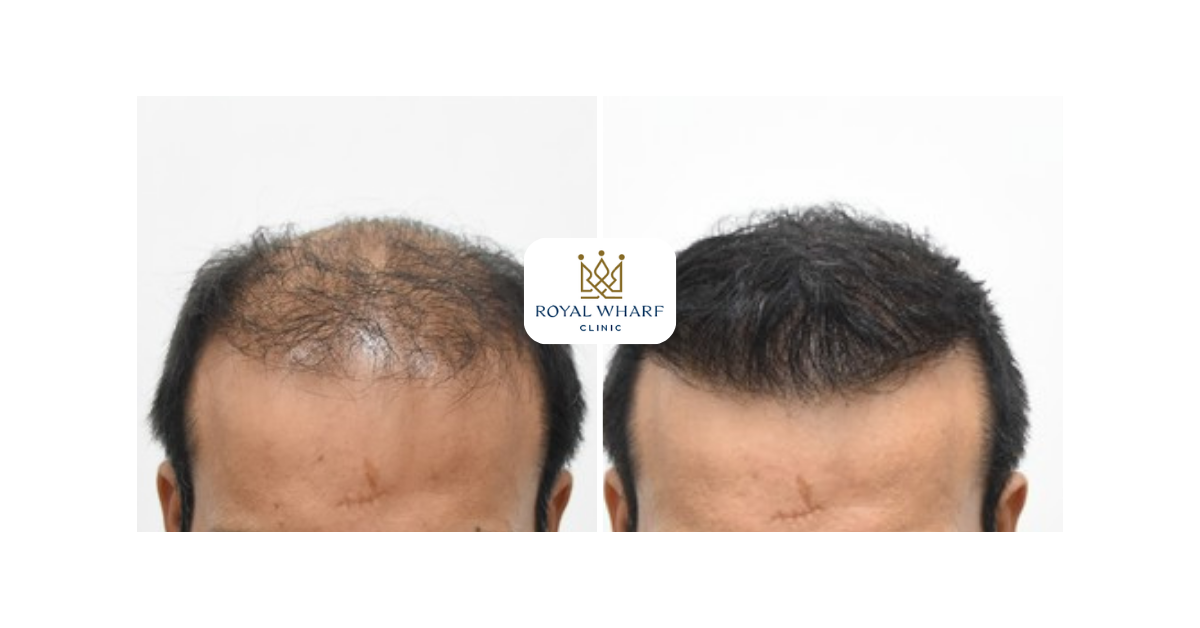
You can get a good idea of what to expect by looking at pictures of hair transplant before and after . Clinics like Royal Wharf Clinic use live demos to show what to expect.
Conclusion
You can improve your quality of life and self-esteem with a hair transplant procedure. It’s important to know what to expect at every step of the process, from the meeting to the end result, whether you choose FUE or FUT. If you want to get a hair transplant in London, Royal Wharf Clinic can help. They offer expert care, personalised treatment plans, and a helpful healing process.
FAQs:
How long is the recovery time after a hair transplant?
Most individuals are able to return to work within three to five days. Full healing and noticeable effects may take up to a year.
Will the transplanted hair fall out again?
Yes, it is usual for transplanted hair to come out during the first several weeks. This is termed “shock loss.” This period will be followed by new hair growth.
Is the hair transplant procedure painful?
The procedure is conducted under local anaesthesia, thus there is little to no discomfort throughout the process. During your rehabilitation, you may have some moderate pain.
When will I start seeing new hair growth?
New hair growth normally begins three to four months following the transplant. Significant improvements are often seen by the sixth month, with complete growth occurring after 12 months.